
The American Association of Colleges of Nursing is calling for more connection, more engagement, and more belonging. This matters not just in classrooms—but in hospitals, clinics, and conversations between humans. They want to ensure that everyone experiences the nursing education “…with open doors, meaningful relationships, and a shared sense of purpose.” And this ideal makes sense for all healthcare students, doesn’t it?
Years ago I was an Occupational Health Nurse at a manufacturing company. I was observing how poor communication and interpersonal dynamics were creating problems with situations involving employee injuries and illnesses. I was asked to present a workshop on listening to the management team.
The problem was, I didn’t know how to teach a skill like listening. So, I did all the talking. :). No discussion. No practice experience. No reflections. No fun. It was not engaging, connecting, or effective.
Since then, I’ve learned a lot about teaching communication-related skills and competencies.
That’s where Medical Improv comes in.
It’s a hands-on teaching modality that builds emotional intelligence, confidence, communication, and positive relationships. I’ve seen it over and over again!
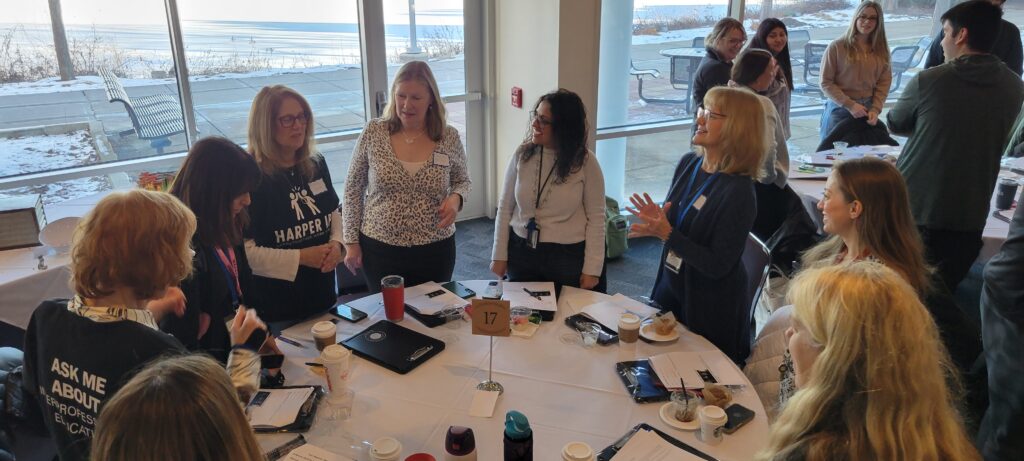
💬 When 150+ students at Harper College participated in a 2.5-hour workshop, over 90% reported improved listening, feedback, and self-awareness skills. And in terms of engagement, just look at the faces and body language in this and more session photos.
Professor Joyce Shaw, DPT, puts it plainly:
“An asset for all instructors…easy to integrate, impactful for students.”
Faculty, patients, and future healthcare workers: we are all part of this web.
👉 Learn more about the Medical Improv Toolkit: 3 Paths into Practice! here:
Questions? Reach out: [email protected]