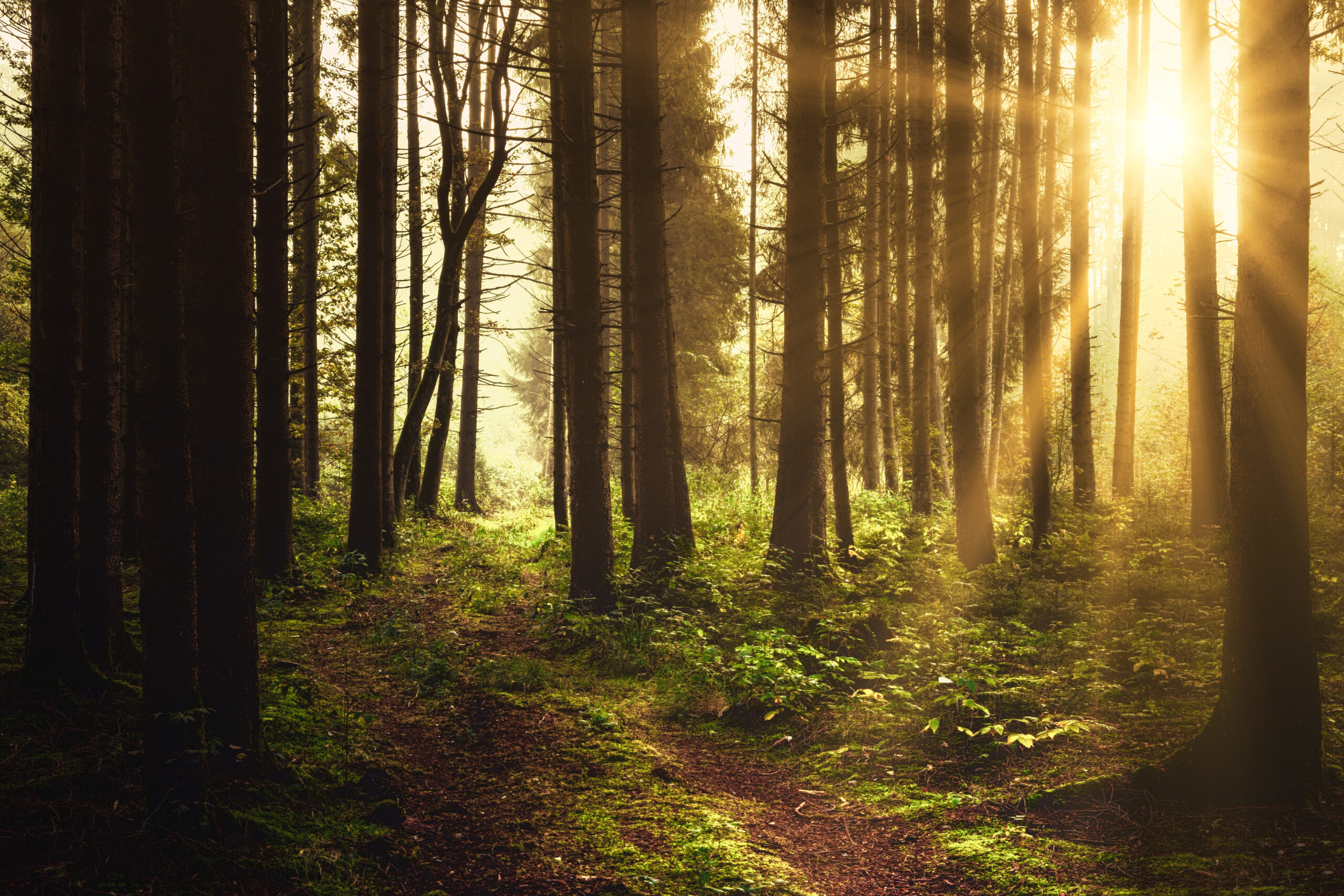
Could a forest be part of an effective care team for people experiencing Chronic Widespread Pain (CWP)?
Image by Albrecht Fietz from Pixabay
A 2016 study conducted in Korea offered participants a two-day forest immersion with clinical and therapeutic support. The group included a psychiatrist, rheumatologist, forest therapist, and nature guide. The intervention wove together movement, mindfulness, psychoeducation, and the forest’s own medicine.
Outcomes included measurable improvements in:
- Physiological relaxation
- Immune functioning
- Pain and depression scores
- Quality of life
For those of us working in healthcare or systems of care, this study affirms what many already sense: health isn’t only a clinical condition—it’s an ecological one. Connection to place, rhythm, and non-human kin has therapeutic value that exceeds what most reimbursement models track.
I’m not a CWP sufferer myself, but I’ve benefited from forest bathing practices. I recently completed one of the Feel Good Forest Bathing courses by UK-based physiotherapist Jan. The practices are simple, restorative, and trauma-informed. (I’m also an affiliate: BETH10% offers a discount if you’re interested.)
Might forest bathing become a prescribable modality in the future? Maybe. But even before then, we can start weaving these insights into how we understand health—relationally, metabolically, and compassionately.
#SomaticMedicine #ChronicPain #ForestTherapy #HealthIsRelational #CareBeyondClinics
- Han JW, Choi H, Jeon YH, Yoon CH, Woo JM, Kim W. The Effects of Forest Therapy on Coping with Chronic Widespread Pain: Physiological and Psychological Differences between Participants in a Forest Therapy Program and a Control Group. Int J Environ Res Public Health. 2016 Feb 24;13(3):255. doi: 10.3390/ijerph13030255. PMID: 26927141; PMCID: PMC4808918. ↩︎