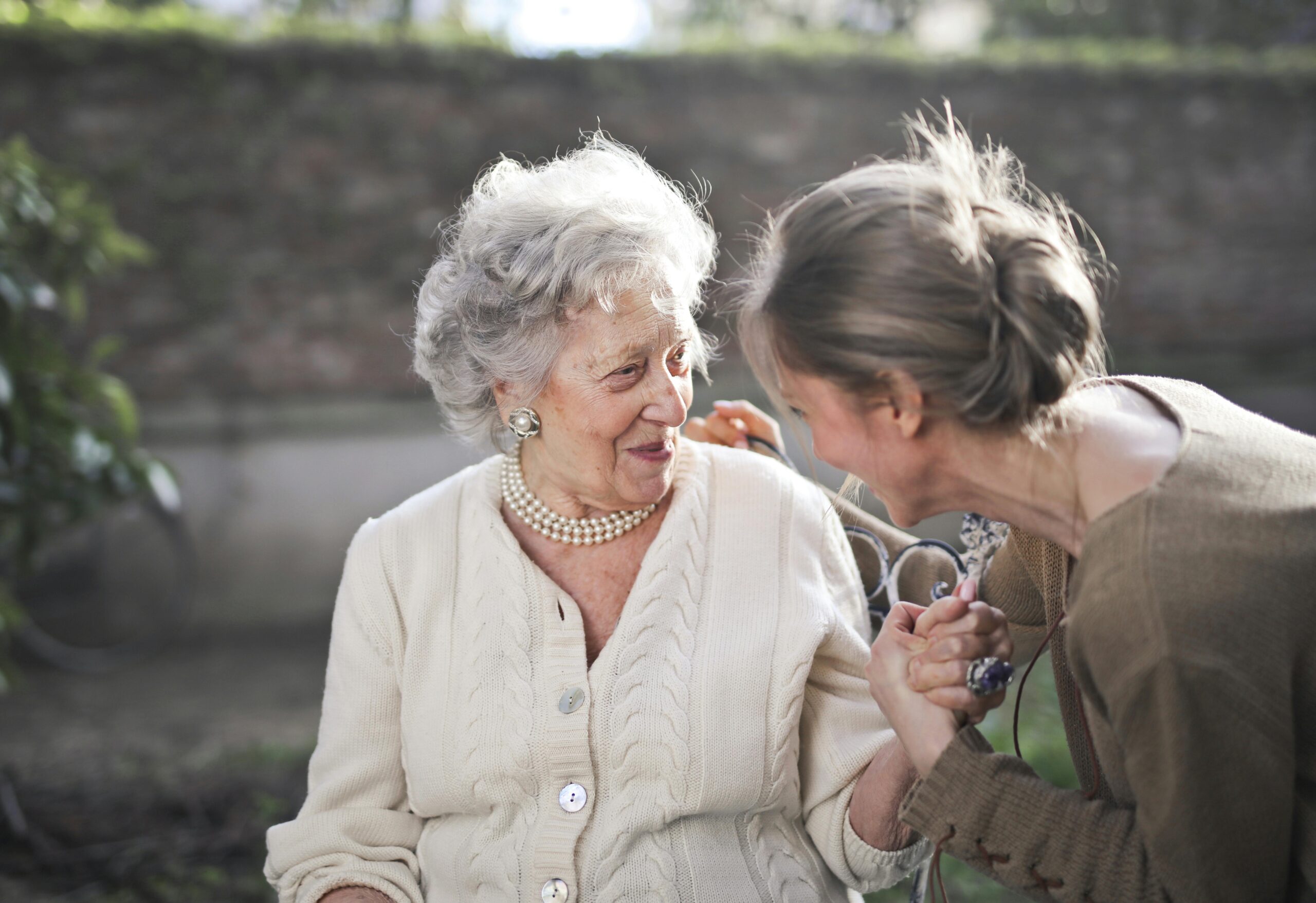
Image by Andrea Piacquadio from Pexel
Clinical care is where healing is supposed to begin.
This is where experts work, diagnoses happen, treatment plans are created, and many lives are saved. The system is careful, based on science, and exact. The idea is simple: follow the right steps to get the right results.
And in many ways, that belief is justified.
But over time, something becomes clear that the system itself does not always recognize.
Clinical care alone is not enough.
While medicine is meant to treat disease, it does not fully address what it is like to live with that disease.
A treatment plan might be perfect on paper. Every medicine is chosen carefully, and every appointment is set for a reason. But what happens when real life gets in the way? What if a patient is too tired to cook, too stressed to organize everything, or cannot afford the care they need?
The plan doesn’t fail because it was incorrect.
It struggles because it misses the full experience of the patient.
This is not a failure of medicine; it’s a limitation of its scope.
Healthcare systems have clear limits. They focus on what can be measured, recorded, and managed in a clinic. Time and resources are limited, and priorities are set by urgent medical needs. Providers do what they are trained for, and they do it well.
But outside the clinic, life goes on in ways that do not fit into a medical model.
Patients don’t experience their illness in isolated moments of care. They experience it continuously, through fatigue that lingers long after treatment, through decisions that need to be made without guidance, through challenges that have nothing to do with medicine but everything to do with survival.
This is where the gap begins to widen.
The National Cancer Institute has stressed the need for supportive care for a long time. This means helping patients with their physical, emotional, and everyday needs along with their medical treatment. Supportive care includes managing symptoms, offering mental health help, and assisting with daily tasks. You can learn more here:
Even though these needs are recognized, many still go unmet. It is not because they do not matter, but because they fall outside the usual care system.
Because of this, providers often take on roles they were not trained for. They become problem-solvers, helping patients with issues beyond just diagnosis and treatment. They give advice, connect patients to resources when they can, and try to fill the gaps they notice every day.
But even the most dedicated providers cannot carry this alone.
The system was never designed for it.
And so, patients and families are left to fill in the spaces that remain.
They organize care, handle details, look for support, and make choices without all the information. They end up holding their own care together, often without enough help or resources.
This creates a system that works very well at certain times but has trouble lasting over the long run.
It treats illness carefully but does not always support people in the same way.
Still, it is these gaps in support that have the biggest impact on patient outcomes.
Healing is not only a medical process; it is also a human one.
Healing needs stability, support, understanding, and resources that go beyond medicine and procedures. It means seeing patients as people who need help, not just as cases to treat.
This does not make clinical care less important. Instead, it shows why we need to think more broadly.
It leads us to a new question: not just how do we treat disease, but how do we support the person living with it?
This question gives us the chance to build something more complete.
Let us promise to support patients beyond just treatment. We should work together across different fields, push for more support services, and find real solutions that help people living with illness. The chance to close this gap starts now, and it starts with all of us.