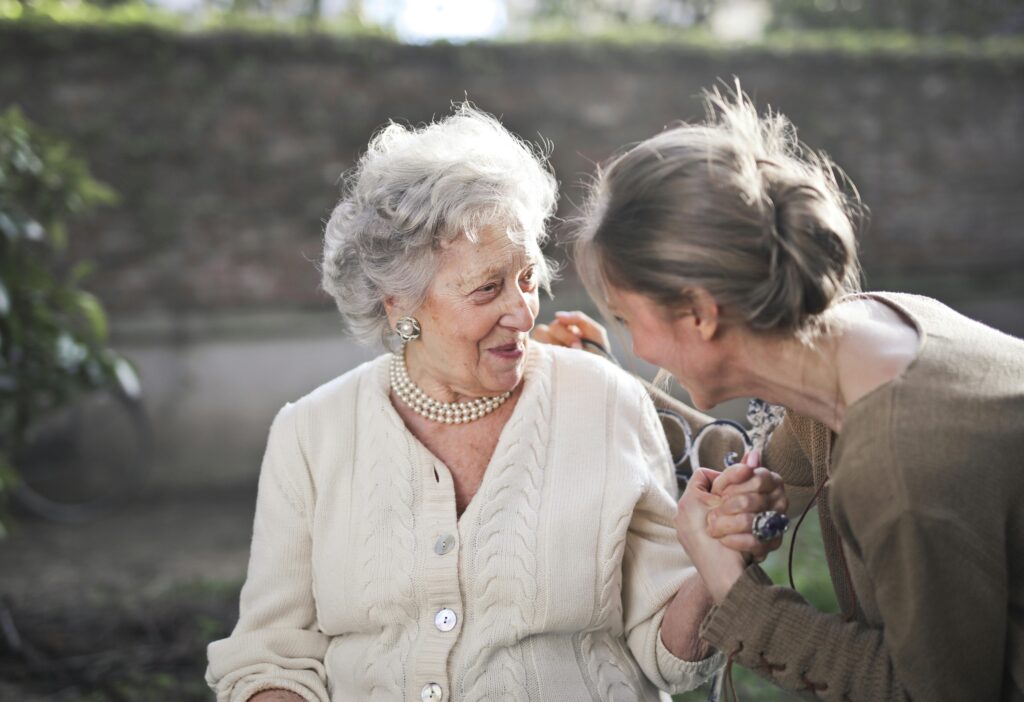
Image by Kindel Media from Pexels
When someone is diagnosed with cancer, most of the attention goes to the patient, which makes sense. The diagnosis, treatment plan, and physical effects all need urgent care. But what often gets overlooked is how this diagnosis quietly changes the lives of everyone nearby.
No one faces this alone.
Almost every patient has a group of people, spouses, children, siblings, and friends who step in, often right away, to help. They become caregivers, organizers, advocates, and emotional supports, sometimes with no warning. There is no training, no guide, and no clear expectations. It’s just a sudden change into a role that asks for everything they can give.
At first, it can feel manageable. Helping with appointments, being present for conversations, and offering support where it’s needed. But as treatment continues and the realities of daily life begin to intersect with ongoing care, that role expands in ways few are prepared for.
Caregivers begin to plan their days around treatment schedules, adjust their work hours, and handle household responsibilities. They keep track of medicines, watch for symptoms, and help when the patient is too tired to go on. They become the steady support that keeps everything together, even as their own lives change.
This burden is invisible, not because it’s small, but because people expect it.
People often assume families will step in and fill the gaps. Most of the time, they do. It’s not because it’s easy, but because there isn’t another choice. Love, duty, and need come together, building a quiet strength that helps both the patient and the family keep going.
But being strong comes at a cost.
The National Alliance for Caregiving reports that family caregivers often face serious emotional, physical, and financial stress, especially when caring for someone with a serious illness. Many cut back on work, leave their jobs, or pay extra costs that add up over time. You can learn more about caregiving facts and data here:
The emotional toll is harder to measure. Caregivers often juggle hope and fear simultaneously, trying to stay strong for the patient while dealing with their own worries. They might put their own needs aside, delaying rest, support, or even admitting how tough things have gotten.
Some moments are rarely discussed, like late nights spent worrying, quiet exhaustion that grows over time, and the feeling of holding everything together without knowing how long it will last. These moments aren’t dramatic, but they are deeply human and shape the caregiving experience in important ways.
Children are also affected in ways that aren’t always easy to see. They might take on more chores at home, notice the emotional tension, or struggle to understand what’s going on. Even when adults try to protect them, they feel the changes. The household shifts, routines change, and a new normal forms around uncertainty.
Even with all this, caregivers often stay on the edge of the system. They show up at appointments but aren’t always included. They are key to helping patients get care, but they rarely receive support for their own needs.
This is the paradox of caregiving: it is central to the patient’s journey but mostly invisible in the care system.
Over time, it’s clear that helping patients without helping their families creates a weak system. When caregivers get overwhelmed, exhausted, or can’t keep going, it directly affects the patient. The two experiences are closely linked, even if they are often treated as separate.
If we really want to understand what it means to care for someone, we need to look at the bigger picture. We should see not just the person getting treatment, but also the group of people supporting them every day.
Because behind every patient, doing their best to get through this is someone else doing their best to help them.
That steady, quiet, and often unseen effort is where much of the real work takes place.